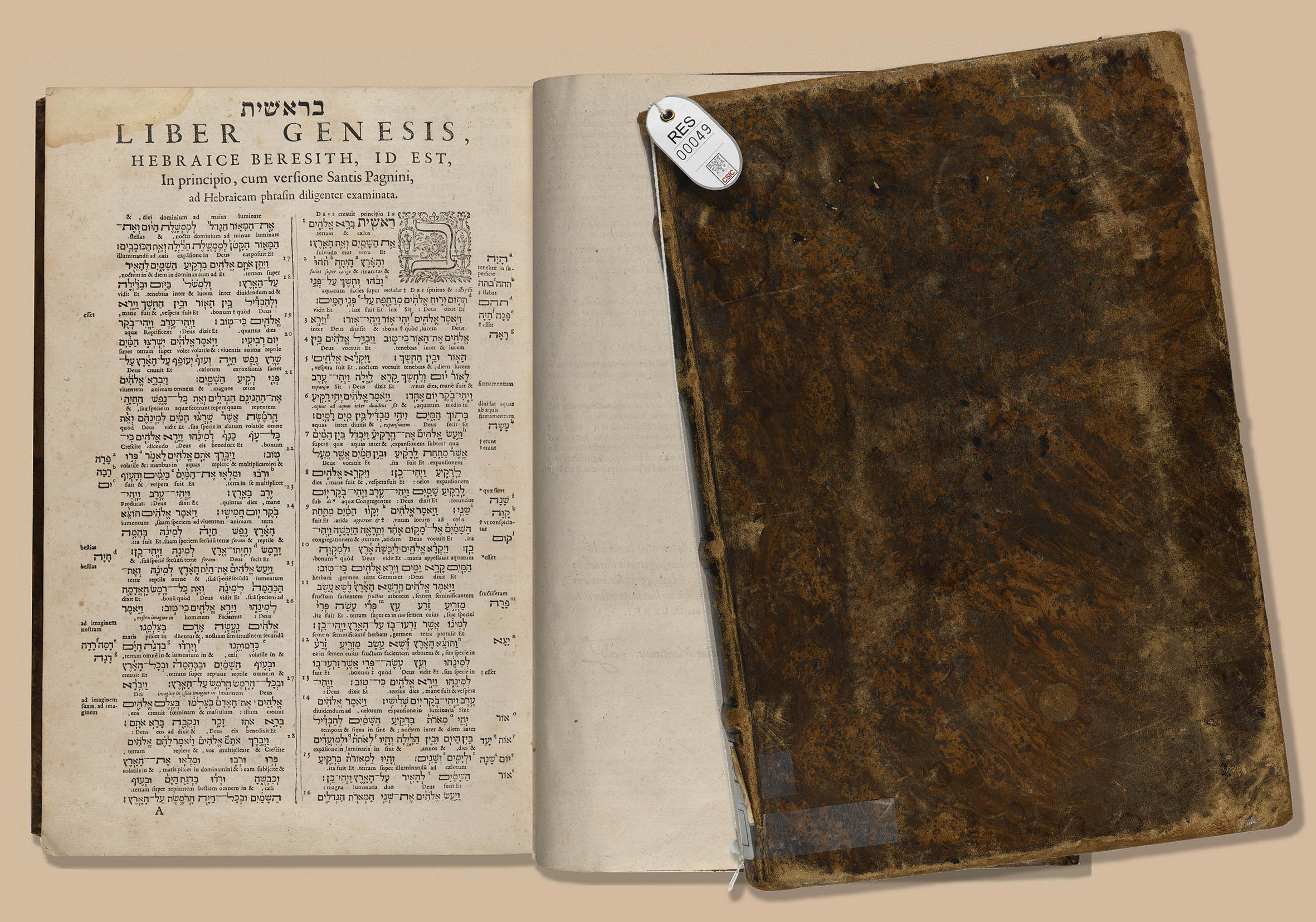
The textual production of cultures utilizing non-Latin scripts—particularly Arabic, Byzantine and Renaissance Greek, as well as Hebrew—remains vastly understudied compared to the Latin tradition. It is fair to say that more than half of the surviving texts remain in manuscript form, severely limiting accessibility and creating substantial gaps in our understanding of these cultures. If traditional methods of exploration, transcription, and editing of manuscript texts continued—namely, manual approaches—we would likely require another century to obtain a reasonably complete picture of textual production in non-Latin scripts.
Por Andrés Diego Espinel (ILC-CSIC)
Lugar: Sala Ángeles Alvariño, MUNCYT, c/Pintor Velázquez s/n, (Alcobendas, Madrid)
Organiza: CSIC y Museo Nacional de Ciencia y Tecnología (MUNCYT)
Mié, 25-06-2025; 00:00 hasta Vie, 27-06-2025; 00:00
Sede CCHS
Sala Menéndez Pidal 0E18
Coordinación: María Jesús Albarrán (ILC-CSIC) y Leia Jiménez (ILC-CSIC)
Organiza: ILC-CSIC y Asociación Española de Papirología (AEP)
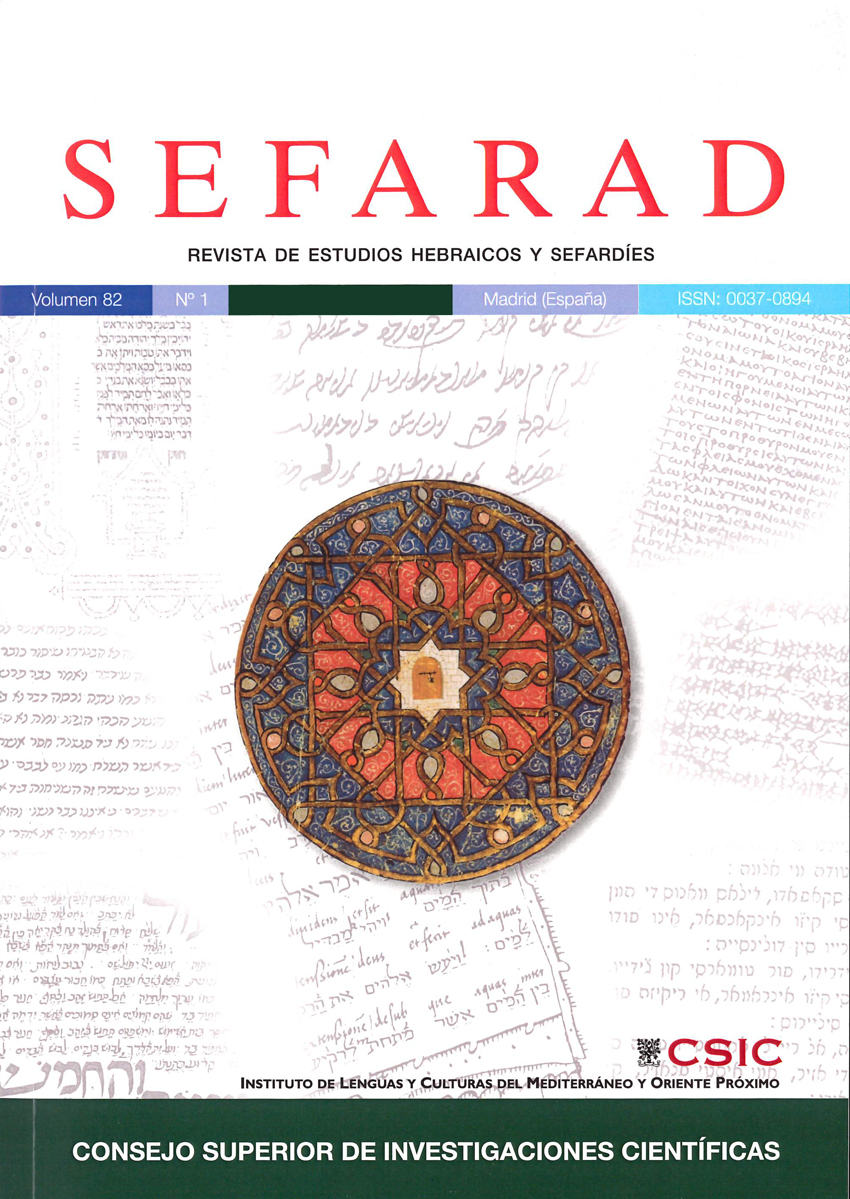
Este número incluye un artículo de Manuela Marín 'In memoriam María Luisa Ávila Navarro', un artículo de Jorge Elices Ocón (IH), y una reseña de Maribel Fierro (ILC)
Yerusha ("herencia" en hebreo) es una plataforma en línea que reúne el patrimonio archivístico judío conservado en cientos de archivos, bibliotecas y museos de toda Europa. Yerusha, una iniciativa de la Fundación Rothschild Hanadiv Europa, cuenta con miles de descripciones de archivo en profundidad que brindan a los investigadores acceso a una gran cantidad de registros que cubren todos los temas principales de la historia judía.